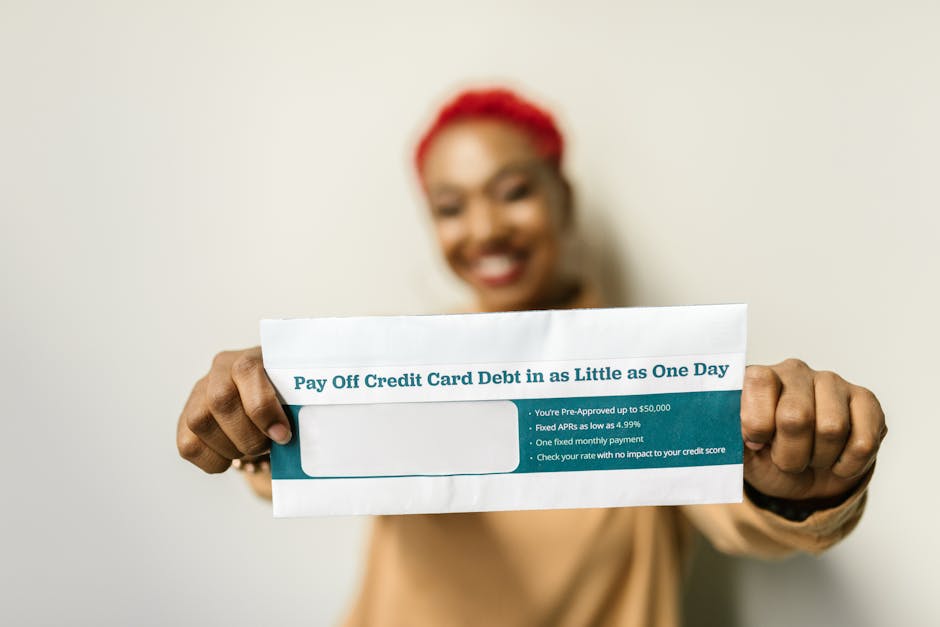
Credit is borrowed money that you agree to repay later, usually with interest. It's how banks, credit card companies, and lenders measure whether you're trustworthy enough to borrow from them again. Think of it as your financial reputation in numbers.
Your credit score ranges from 300 to 850 and predicts your likelihood of repaying loans on time. The higher your score, the better your odds of getting approved for mortgages, car loans, credit cards, and lower interest rates. In other words, credit isn't just about borrowing—it's about the cost of borrowing and what doors it opens for you.
Why Your Credit Matters More Than You Think
Your credit score affects way more than just loan approval. Landlords check it when you apply for an apartment. Employers sometimes pull your credit history. Insurance companies use it to set your rates. Even your cell phone carrier might run a credit check.
A strong credit profile saves you thousands of dollars over your lifetime through lower interest rates, better credit card rewards, and faster approval times. A weak one costs you—higher rates, deposit requirements, and rejected applications. That's why Tradeline King focuses so hard on helping people improve their credit fast, because every point matters when you're working toward major financial goals.
Related: What Is Credit? Your Guide to Building Financial Trust
Related: What Is a Credit Limit? Complete Guide for 2026
Related: What Are the Credit Bureaus? The Complete 2026 Guide
Related: What Is an Excellent Credit Score? Complete 2026 Guide

The Building Blocks of Your Credit Score
Your credit score isn't magic. It's calculated from five main factors:
- Payment History (35%) - Do you pay your bills on time? This is the biggest factor.
- Credit Utilization (30%) - How much of your available credit are you using? Aim for under 30%.
- Length of Credit History (15%) - How long have your accounts been open? Older is generally better.
- Credit Mix (10%) - Do you have different types of credit (credit cards, installment loans, etc.)? Variety helps.
- New Credit Inquiries (10%) - How many times have you applied for new credit recently? Too many hurt you.
The first two factors—payment history and credit utilization—are what you should focus on first if you're trying to improve your score quickly.
How to Build Credit from Scratch
If you have no credit history, you need to start somewhere. Here's the straightforward path:
- Get a secured credit card - Put down a cash deposit (usually $200-2,500) and use the card. Pay your full balance every month on time.
- Become an authorized user - Ask someone with established, positive credit history to add you to their account. You get the benefit of their clean payment history without needing to manage the account. This is a fast-track strategy that Tradeline King specializes in—they connect people with premium authorized user accounts that report in 30 days or less.
- Use a credit-builder loan - Some credit unions offer these specifically to help you build history. You borrow money and pay it back monthly; the payments get reported to credit bureaus.
- Get added to someone else's credit card - With their permission, of course. Their account history becomes part of your credit profile.
Proven Strategies to Improve Your Credit Fast

If you're already using credit but your score is stuck, here's what actually works:
1. Pay Your Bills on Time, Every Time
One late payment can tank your score by 100+ points. Set up automatic payments for at least the minimum due on every account. This single habit matters more than anything else.
2. Lower Your Credit Utilization
If you're carrying high balances on credit cards, your score suffers. Aim to use less than 30% of your available credit. So if you have a $5,000 limit, keep your balance under $1,500. This is one of the fastest ways to see improvement.
3. Don't Close Old Credit Card Accounts
Closing accounts shortens your average account age and reduces your available credit, both of which hurt your score. Keep old accounts open and inactive—they help you.
4. Monitor Your Credit Reports for Errors
Check your credit reports regularly at AnnualCreditReport.com (the official government site). Dispute any inaccuracies you find. Wrong information can seriously damage your score.
5. Build a Budget and Stick to It
Set clear financial goals and create a detailed budget to track your spending. When you know where your money is going, you can identify problem areas and avoid overspending on credit. This is foundational to credit health.
The Authorized User Fast-Track
If you need credit improvement quickly—maybe you're applying for a mortgage in the next 3-6 months—becoming an authorized user on an established account is one of the fastest legitimate strategies available.
When you're added to someone else's credit card account with a strong payment history, that account's positive history gets reported on your credit report. You don't have to manage the account or even use the card. It's pure credit boost.
The catch is finding the right account. It needs to have a long positive history, low utilization, and timely payments. That's exactly what Tradeline King sources—premium authorized user tradelines from top US credit card issuers. Their typical clients see reporting in 30 days or less, which is significantly faster than the 45-90 days most people wait.
Want a personalized quote?
Get a Free Quote →Smart Financial Habits That Strengthen Your Credit
Beyond the credit-specific tactics, your overall financial discipline matters a ton:
- Automate your savings - Pay yourself first. Even $50 a month builds a habit and a safety net.
- Build an emergency fund - Aim for 3-6 months of expenses in a savings account. When you don't have to turn to credit for surprises, your credit stays clean.
- Reduce high-interest debt aggressively - Credit card debt at 20%+ interest is a wealth killer. Prioritize paying these down before other goals.
- Avoid applying for too much new credit at once - Each application triggers a hard inquiry and temporarily dings your score. Space applications out over time.
Free Tools to Monitor Your Progress

You don't need to pay for credit monitoring. Credit Karma offers free credit scores, reports, and financial insights so you can track your improvements in real time. Check it monthly to watch your progress and stay motivated.
Seeing your score climb from consistent effort is genuinely rewarding—and it keeps you accountable.
Year-End Credit Check: What You Should Do Now
Before the year wraps up, pull your complete financial picture. Review your credit reports, check your score, and assess your debt load. Look at where you've made progress and where you're stuck.
Then set specific, measurable goals for next year. Maybe it's "reduce credit card debt by $5,000" or "improve my score from 650 to 700" or "become an authorized user to add positive history." Concrete goals beat vague intentions every time.
If you're serious about rapid credit improvement and you have the financial capacity, adding premium authorized user accounts through Tradeline King is one of the few legitimate fast-track options available. Most of their clients see meaningful improvements within 30-60 days of being added to accounts.
People Also Ask
How long does it take to build credit from zero?
Building a measurable credit profile from scratch typically takes 6 months of activity (your first payment history needs to report). However, you'll see meaningful score improvement within 3-6 months if you're making on-time payments. Using authorized user accounts can accelerate this significantly—you can add positive history instantly rather than building it month by month.
Can I improve my credit score in 30 days?
Not dramatically, but yes, small improvements are possible. Paying down credit card balances (which lowers utilization) can move your score within weeks. Adding an authorized user account with strong history reports even faster. The reality: major score jumps take time, but consistent effort pays off.
What's the difference between credit and credit score?
Credit is the actual accounts and payment history you have. Your credit score is the three-digit number generated from that history. You can have good credit behavior but no credit score if you have no accounts. You can have accounts but a low score if you don't manage them well.
Do I need to spend money to improve my credit?
Not necessarily. Paying bills on time and lowering credit utilization are completely free. Monitoring through Credit Karma is free. That said, authorized user accounts do have a cost—but they deliver results significantly faster than the free path alone, which is why some people find them worth the investment when they're on a timeline.