A credit freeze is one of the most powerful tools you have to protect yourself from identity theft. It stops lenders from accessing your credit report when someone tries to open a new account in your name. The best part? It's completely free, and you can set one up in about 15 minutes.
If you're worried about fraud or just want an extra layer of security, a credit freeze is the move. Think of it like locking your front door—it doesn't stop someone from trying to break in, but it makes it way harder for them to succeed.
What Exactly Is a Credit Freeze?
A credit freeze (also called a security freeze) prevents creditors from pulling your credit report. When you apply for a credit card, loan, or even a cell phone contract, lenders check your credit to decide whether to approve you. A freeze blocks that access.
When your report is frozen, creditors can't see it—so they typically won't approve new credit applications. That's the whole point. It stops identity thieves from opening fraudulent accounts in your name because those scammers can't pass the credit check.
Here's the thing: a freeze doesn't affect your existing accounts. Your current credit cards, loans, and utilities keep working normally. It only blocks new credit applications.
Why You Should Freeze Your Credit
Identity theft is real, and it's growing. Criminals steal Social Security numbers, personal data, and financial information all the time. If someone gets your info, one of the first things they'll try is opening new credit accounts in your name.
A credit freeze makes that nearly impossible. Without access to your credit report, most lenders won't approve new accounts—even if the criminal has your Social Security number.
You don't need to have been breached or compromised to freeze your credit. It's a preventative move that protects you before something bad happens. Millions of Americans freeze their credit just to be safe.
If you're actively working on improving your credit profile—maybe you're adding authorized user tradelines or rebuilding your score—a freeze gives you peace of mind that no one else can sabotage your progress by opening fraudulent accounts.
Related: Benefits of Adding Tradelines to Credit Report
How to Place a Credit Freeze
Here's the critical part: you have to freeze your credit with all three national credit bureaus separately. Freezing with one doesn't freeze you with the others. You need to contact Equifax, Experian, and TransUnion individually.
The three bureaus are:
- Equifax
- Experian
- TransUnion
Each bureau lets you freeze online, by phone, or by mail. Online is fastest—usually takes 5-10 minutes per bureau.
Step 1: Freeze with Equifax
Visit Equifax's security freeze page or call. You'll provide your Social Security number, date of birth, and address. They'll give you a PIN to manage your freeze later. Save this PIN somewhere safe.
Step 2: Freeze with Experian
Head to Experian's security freeze portal or call. Same process—provide your info, get a PIN. Keep track of it.
Step 3: Freeze with TransUnion
Go to TransUnion's freeze page or call. Again, provide your details and save your PIN.
That's it. You're now frozen with all three bureaus. It typically takes effect within 1 business day, though some bureaus process it faster.
How Much Does It Cost?

Zero dollars. Completely free. Placing a freeze, maintaining it, and lifting it later—all free. There are no hidden fees or premium tiers.
This wasn't always the case. Before 2018, some states charged a small fee. Now the Federal Trade Commission (FTC) requires all freezes to be free nationwide. One of the few things that doesn't cost money and actually protects you.
When You Need to Lift Your Freeze
Here's where it gets practical. Eventually, you might want to apply for new credit—a mortgage, auto loan, credit card, or something else. You'll need to temporarily unfreeze your credit so the lender can pull your report.
Related: Credit Lock vs Freeze: Which Actually Protects You Best
You can lift your freeze temporarily or permanently. Temporary lifts are usually good for a specific time period (like 30 days). After that, the freeze goes back on automatically. Permanent lifts just remove it entirely.
Unfreezing is as simple as freezing. Log into your account with each bureau using your PIN, or call them. You can do it online in minutes. Many bureaus let you unfreeze on the spot—some take up to 3 business days if you call or mail.
If you're planning to apply for multiple types of credit within a short timeframe—say, shopping for a mortgage and a car loan—you can unfreeze with all three bureaus at once. Then, once you've gotten approved and opened your accounts, you can freeze again.
Important Exceptions to Know
A credit freeze doesn't block everything. There are specific situations where lenders can still access your credit report even with a freeze in place:
- Existing creditors can still check your report (like your current card issuer reviewing your account)
- Insurance companies can still pull your report
- Employers can still access your credit (if you give permission)
- Government agencies can still access it for licensing or benefit purposes
- Debt collectors investigating existing debt can still access it
The freeze mainly stops new credit applications from going through. That's its job, and it does it well.
Combine a Freeze with Other Security Moves
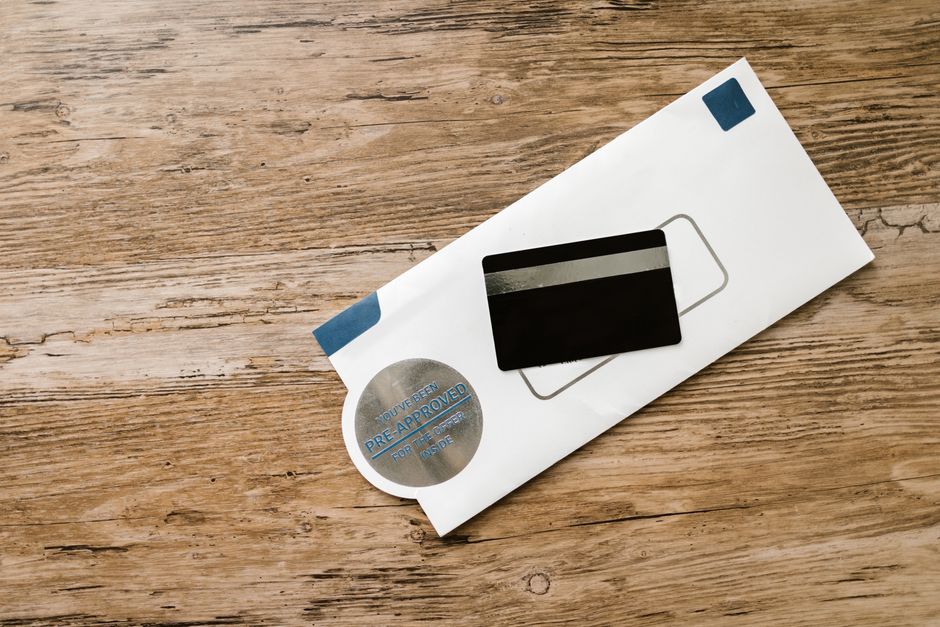
A credit freeze is powerful on its own, but you can layer it with other protections. Consider also placing a fraud alert with the bureaus (free, lasts 1 year, triggers extra verification steps for new credit).
Check your credit reports regularly—you're entitled to one free report per year from each bureau at AnnualCreditReport.com. Look for suspicious accounts or inquiries you don't recognize.
Use strong passwords, enable two-factor authentication on financial accounts, and don't overshare personal info online. If you're actively building credit with Tradeline King or other services, a freeze protects your progress from being derailed by fraud.
Want a personalized quote?
Get a Free Quote →
What About Your Credit Score?
Here's a common misconception: a credit freeze doesn't hurt your credit score. Your score is based on payment history, credit utilization, age of accounts, and credit inquiries—not whether your report is frozen.
Related: How to Add Positive Credit History to Your Report
A freeze just blocks access. It doesn't change how your existing accounts are reported. In fact, by preventing fraudulent accounts from being opened in your name, a freeze protects your score.
Should You Freeze Your Credit Right Now?
If you value security and peace of mind, yes. There's literally no downside. It's free, takes 15 minutes, and it stops identity thieves dead in their tracks.
Certain situations make a freeze even more urgent: if you've been in a data breach, if your personal info has been exposed, if you've been notified of suspicious activity, or if you're just paranoid (which is fair in 2026). Even if none of those apply, a freeze is solid insurance.
The only time a freeze becomes inconvenient is when you want to apply for new credit and need to temporarily unfreeze. But that takes 5 minutes, so it's a minor hassle with a huge security payoff. If you're looking to boost your credit profile strategically before applying for loans, Tradeline King can help you build a strong credit history while your freeze protects you from fraud.
People Also Ask
Does a credit freeze hurt my credit score?
No. A freeze doesn't affect your score at all. It only blocks access to your report for new credit applications. Your existing accounts and payment history remain unchanged.
Can I still get approved for credit with a freeze?
Yes, but you'll need to unfreeze your credit first. Temporarily lift your freeze with the bureaus, apply for your credit, then refreeze. Most people can unfreeze online in minutes.
How long does a credit freeze last?
As long as you want. A freeze stays in place indefinitely until you lift it. You're in control—no expiration date, no automatic removal.
If I freeze with one bureau, am I frozen everywhere?
No. You must freeze separately with all three bureaus (Equifax, Experian, and TransUnion). Freezing with one doesn't protect you with the others.